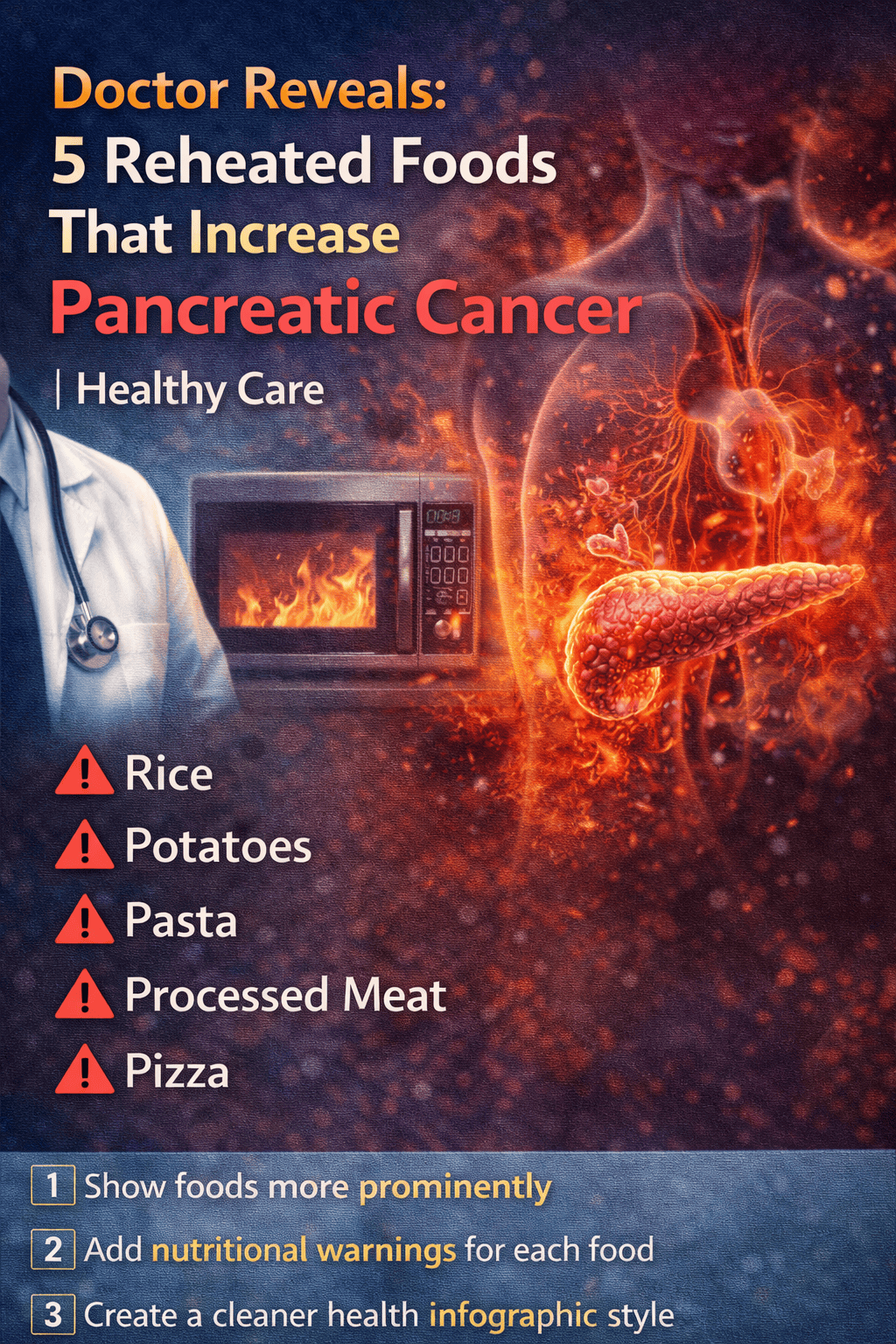
Discover which 5 reheated foods a doctor reveals can increase your pancreatic cancer risk. Learn crucial food safety tips for better health.
In our fast-paced world, reheating leftovers is a common practice, saving time and reducing food waste. But what if some of these convenient meals could be silently increasing your risk for serious health issues, specifically pancreatic cancer? A recent revelation from a health expert sheds light on five specific reheated foods pancreatic cancer risk factors that many of us consume regularly. Understanding these dangers is crucial for safeguarding your long-term health and making informed choices about your diet.
Understanding the Reheating Risk
The process of reheating food isn’t always benign. While some foods reheat safely, others can undergo chemical changes or become breeding grounds for bacteria, potentially producing toxins or carcinogens. When we talk about food reheating safety, it’s not just about avoiding immediate food poisoning; it’s also about understanding the long-term implications for organs like the pancreas, which plays a vital role in digestion and blood sugar regulation. Compromising its health through improper food handling can have severe consequences.
Why Certain Foods Become Problematic
Different foods react differently to temperature changes and storage. Factors like protein content, starch levels, and the presence of nitrates can all influence how safe a food remains after its initial cooking and subsequent reheating. For some, bacterial growth is the primary concern, leading to toxins. For others, it’s the transformation of natural compounds into potentially harmful substances that raises the alarm, particularly concerning pancreatic health risks.
The Danger of Reheated Rice and Pancreatic Health
Rice is a staple in many diets, often cooked in large batches and reheated. However, cooked rice, if not cooled and stored properly, can harbor spores of Bacillus cereus bacteria. These spores can survive cooking and multiply at room temperature, producing toxins that cause food poisoning. While typically associated with acute digestive upset, chronic exposure to such toxins or the inflammatory response they trigger could, over time, contribute to a compromised digestive system and potentially impact pancreatic function, increasing the risk of diseases.
Proper Rice Handling to Minimize Risk
- Cool rice quickly after cooking (within one hour).
- Refrigerate promptly and consume within one day.
- Reheat thoroughly until steaming hot.
Potatoes: A Reheating Hazard You Can’t Ignore
Like rice, potatoes are often prepared in advance. Cooked potatoes, especially if wrapped in foil and left at room temperature, can create an anaerobic environment perfect for the growth of Clostridium botulinum, the bacteria responsible for botulism. While rare, botulism is a severe form of food poisoning. Though not directly linked to cancer-causing foods in the same way as some other items, any severe foodborne illness places immense stress on the body’s systems, including the pancreas, potentially exacerbating existing vulnerabilities or creating new ones.
Safe Potato Storage and Reheating
- Store cooked potatoes in the refrigerator immediately.
- Avoid wrapping hot potatoes tightly in foil if not consuming immediately.
- Reheat until piping hot throughout.
Reheating Poultry: More Than Just Food Poisoning
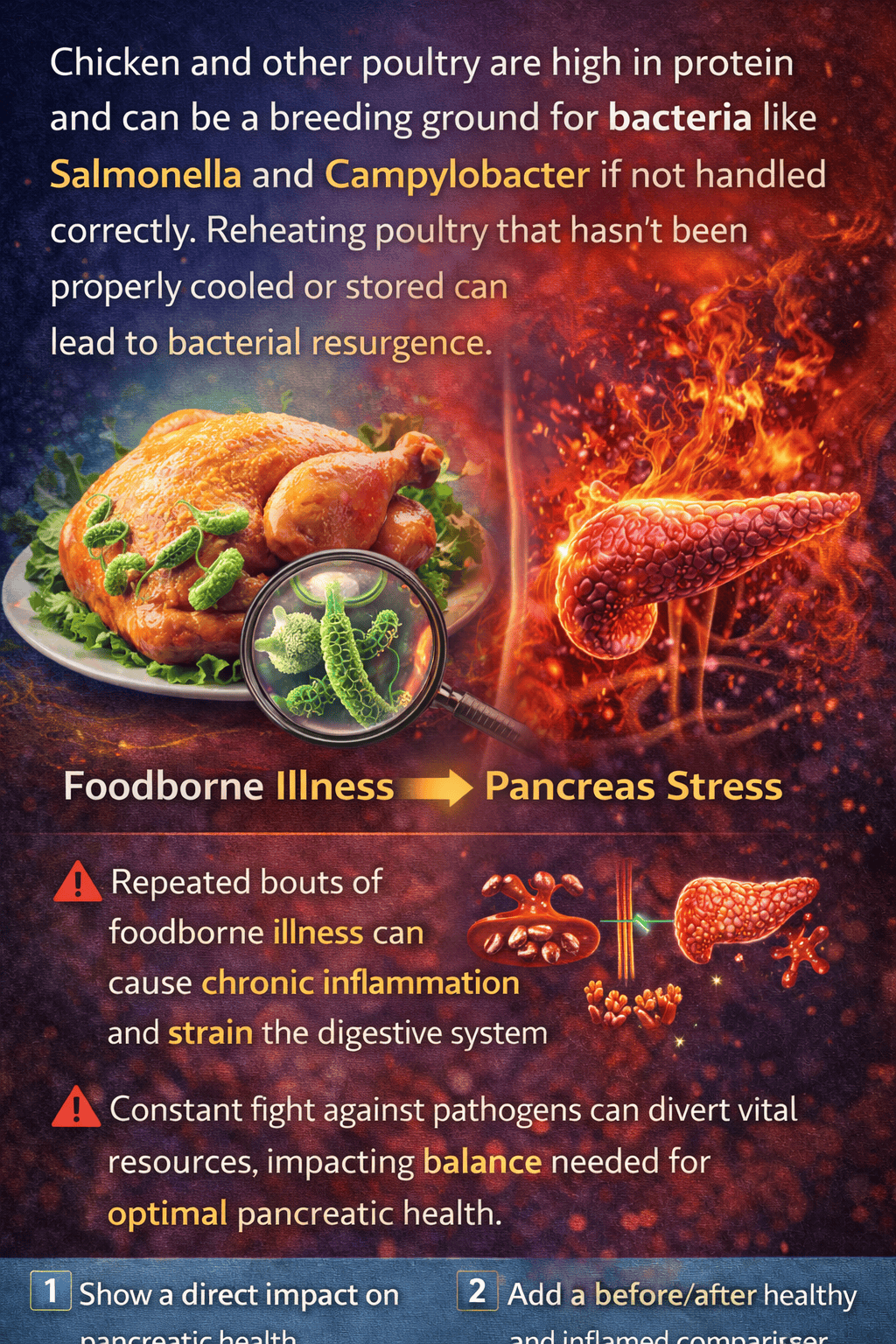
Chicken and other poultry are high in protein and can be a breeding ground for bacteria like Salmonella and Campylobacter if not handled correctly. Reheating poultry that hasn’t been properly cooled or stored can lead to bacterial resurgence. While the immediate concern is food poisoning, chronic inflammation and stress on the digestive system from repeated bouts of foodborne illness can have long-term health implications. The body’s constant fight against pathogens can divert resources from other vital functions, potentially impacting the delicate balance required for optimal pancreatic health.
Best Practices for Poultry
- Cook poultry thoroughly the first time.
- Cool and refrigerate leftovers within two hours.
- Reheat to an internal temperature of 165°F (74°C).
Eggs: A Delicate Balance When Reheating
Eggs are versatile and nutritious, but reheating them requires caution. Cooked eggs, especially scrambled or fried, can become a risk if not stored correctly. The protein structure in eggs can change upon reheating, and if they’ve been left at room temperature, bacteria like Salmonella can multiply rapidly. While the direct link between reheated eggs and pancreatic cancer is not as direct as some other items, consistent exposure to foodborne pathogens and the resulting inflammation contributes to overall digestive stress, which can indirectly affect the pancreas over time. This highlights the broader concerns around meal preparation dangers.
Egg Reheating Guidelines
- Refrigerate cooked eggs promptly.
- Reheat only once and ensure they are hot throughout.
- Avoid reheating eggs that have been sitting out for extended periods.
Leafy Greens and Nitrates: A Hidden Threat
Vegetables like spinach, celery, and even beets are rich in nitrates. While nitrates themselves are harmless, reheating these vegetables, especially in a microwave, can convert nitrates into nitrites. These nitrites can then react with amino acids to form nitrosamines, which are known carcinogens. This is one of the more direct concerns when considering reheated foods pancreatic cancer risk, as nitrosamines have been linked to various cancers, including pancreatic cancer. This makes them a significant item on the list of foods to be wary of when reheating.
Safer Handling of Nitrate-Rich Vegetables
- Consume nitrate-rich vegetables fresh when possible.
- If reheating, do so quickly and avoid prolonged heating.
- Consider preparing smaller portions to avoid leftovers.
Safer Food Practices for Pancreatic Wellness
While the convenience of reheating food is undeniable, understanding the potential risks, especially concerning reheated foods pancreatic cancer, is paramount. By adopting safer food handling practices, you can significantly reduce your exposure to harmful bacteria and chemical transformations. Always prioritize rapid cooling, proper storage, and thorough reheating to protect your health and support your pancreas.
Making informed choices about your diet and food preparation is a powerful step towards preventative health. Pay attention to how you store and reheat your meals to ensure they remain safe and nutritious, rather than becoming a source of potential harm.