
Discover the critical warning signs over 60 that demand attention. Learn to identify key health indicators and understand when to seek medical advice for a healthier life.
As we gracefully navigate the journey of aging, our bodies undergo various changes. While some are a natural part of growing older, others can be subtle indicators of underlying health issues. For those over 60, recognizing these patterns early is paramount for maintaining health and vitality. This article delves into crucial warning signs over 60 that demand your attention, offering insights into what to look for and why early detection is key to proactive health management. Understanding these indicators can empower you to take timely action and discuss concerns with your healthcare provider.
Understanding Age-Related Health Shifts
Aging is a complex process, and with it comes an increased susceptibility to certain health conditions. It’s not about fearing the future, but rather about being informed and prepared. Many age-related health concerns can be managed effectively, or even prevented, with early awareness.
The Importance of Early Detection
Catching health issues in their initial stages significantly improves treatment outcomes. What might seem like a minor inconvenience could be an early symptom of something more serious. Being attuned to your body’s signals, especially as you approach or pass the age of 60, is a powerful form of self-care. This proactive approach to health helps in addressing potential problems before they escalate.
Common Misconceptions About Aging
One common misconception is that all discomforts or changes are “just part of getting old” and unavoidable. While some decline is natural, many symptoms are not. Persistent pain, significant memory loss, or sudden changes in energy levels are not normal aspects of healthy aging and warrant investigation. Dismissing these senior health indicators can delay crucial diagnoses and interventions.
8 Critical Warning Signs Over 60 to Monitor
Paying close attention to these specific health symptoms for seniors can make a significant difference in your long-term well-being. These warning signs over 60 should prompt a conversation with your doctor.
1. Persistent Fatigue and Energy Loss
Feeling tired occasionally is normal, but chronic, debilitating fatigue that doesn’t improve with rest could signal various issues, from anemia or thyroid problems to heart disease or even depression. It’s more than just feeling sleepy; it’s a profound lack of energy impacting daily activities.
2. Unexplained Weight Fluctuations
Significant weight loss without trying, or unexplained weight gain, can be a red flag. Unintended weight loss might indicate metabolic disorders, digestive issues, or even certain cancers. Weight gain, especially around the abdomen, can increase risks for heart disease and diabetes.
3. Chronic Aches and Pains
While some joint stiffness is common, persistent, severe pain in joints, muscles, or the back that limits mobility or doesn’t respond to typical remedies should be evaluated. This could point to arthritis, osteoporosis, nerve damage, or other inflammatory conditions.
4. Noticeable Cognitive Changes
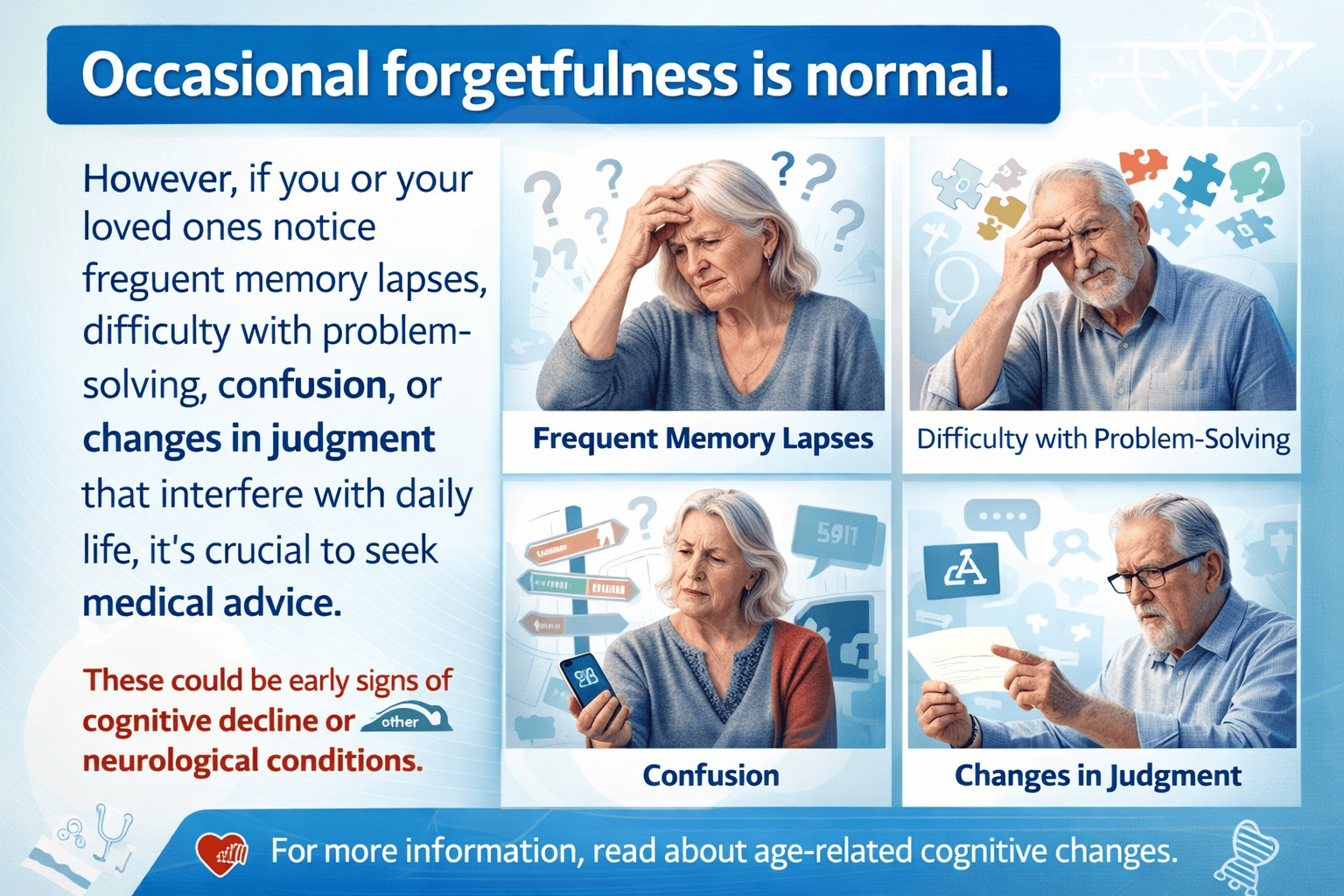
Occasional forgetfulness is normal. However, if you or your loved ones notice frequent memory lapses, difficulty with problem-solving, confusion, or changes in judgment that interfere with daily life, it’s crucial to seek medical advice. These could be early signs of cognitive decline or other neurological conditions. For more information, read about age-related cognitive changes.
5. Sensory Impairments (Vision & Hearing)
Gradual decline in vision or hearing is common, but sudden or significant changes warrant immediate attention. Untreated vision problems like cataracts or glaucoma, and hearing loss, can impact quality of life, increase fall risk, and even contribute to social isolation and cognitive decline.
6. Increased Falls and Balance Issues
A single fall can have serious consequences for older adults. If you’re experiencing frequent dizziness, unsteadiness, or have had multiple falls, it’s a critical warning sign. Balance issues can stem from inner ear problems, medication side effects, neurological conditions, or weakened muscles.
7. Persistent Digestive Troubles
Chronic constipation, diarrhea, bloating, or changes in bowel habits are not normal and should not be ignored. These could indicate irritable bowel syndrome, diverticulitis, or more serious gastrointestinal conditions. Pay attention to your body’s digestive patterns.
8. Mood Changes and Emotional Well-being
Persistent feelings of sadness, anxiety, loss of interest in activities, or significant mood swings are not a normal part of aging. Depression and anxiety are treatable conditions, and ignoring them can severely impact overall health. Don’t hesitate to discuss these geriatric health alerts with a professional.
When to Seek Professional Medical Advice
Recognizing these warning signs over 60 is the first step. The next, and most crucial, step is to consult with a healthcare professional. Self-diagnosis can be misleading and delay proper treatment.
Don’t Self-Diagnose
While it’s good to be informed, only a doctor can accurately diagnose the cause of your symptoms. They can conduct appropriate tests, provide a professional assessment, and recommend a personalized treatment plan based on your specific health profile.
Preparing for Your Doctor’s Visit
When you visit your doctor, be prepared to discuss your symptoms in detail. Note down when they started, how often they occur, their severity, and any factors that seem to make them better or worse. Bring a list of all medications you are currently taking, including over-the-counter drugs and supplements. This comprehensive information will help your doctor make an accurate diagnosis.
Conclusion
Being over 60 doesn’t mean resigning yourself to declining health. By understanding and actively monitoring these critical warning signs over 60, you empower yourself to take charge of your well-being. Early detection, combined with proactive medical consultation, is your best defense against potential health challenges. Listen to your body, communicate openly with your healthcare providers, and embrace a proactive approach to a healthy and vibrant life in your senior years.